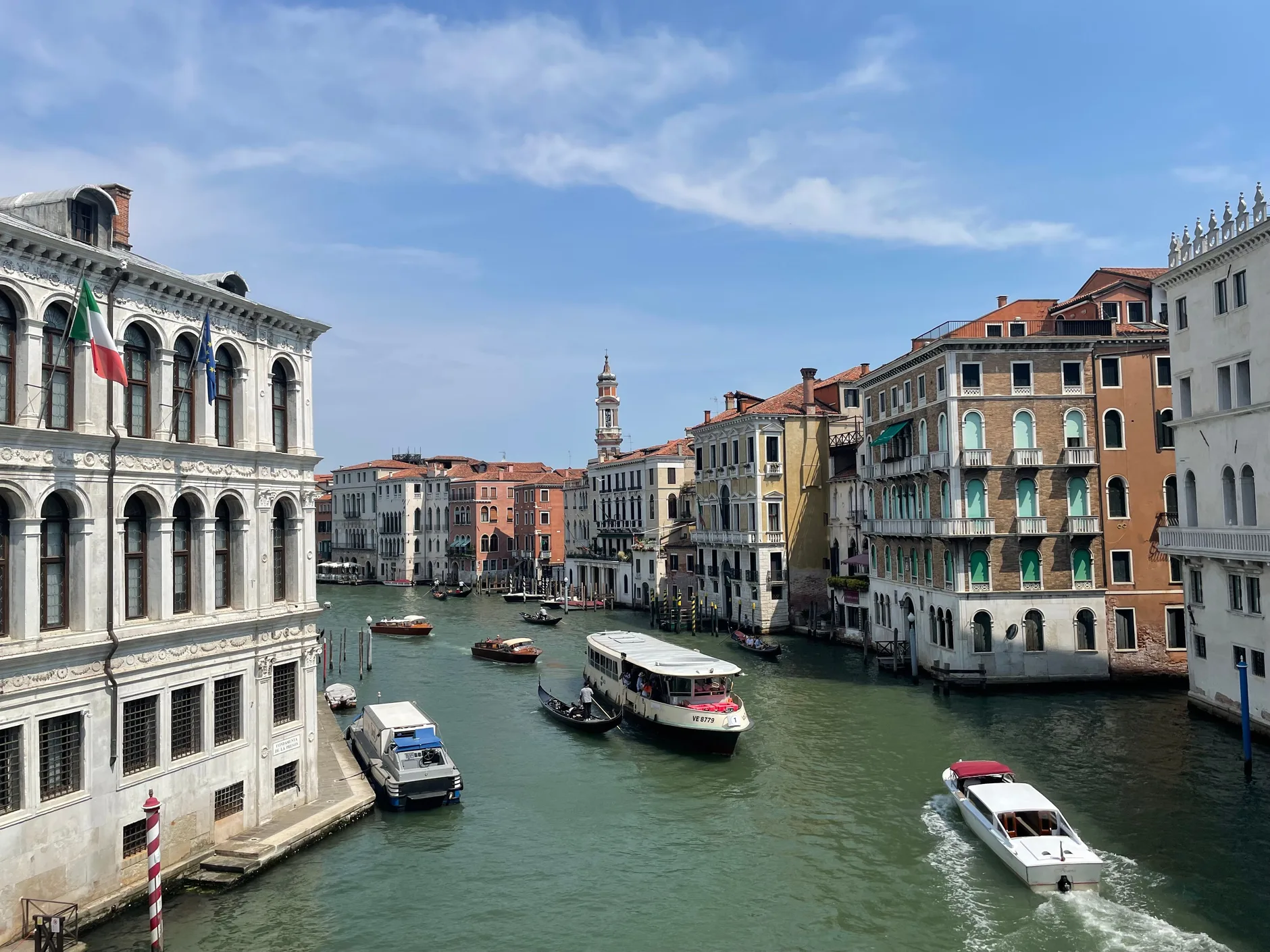
How far is Pula to Venice by car?
Pula to Venice is 283 km from Pula Airport to Piazzale Roma, the car terminal for the historic city, a drive of 3 h 35. Times are without traffic or stops; summer queues and toll plazas add to them. The cars in the search are collected at Pula Airport, and a hire car from Pula Airport needs permission to leave Croatia, arranged before the trip.
The drive leaves Croatia on the A9 north, paying the tolls on the Istrian Y at the plaza, then the 3 km D510 to the Kaštel crossing, crosses the Slovenian coast on road 11 for about 22 km, enters Italy near Trieste and follows the A4 towards Venice. The A57 round Mestre and the SR11 over the Ponte della Libertà bring it to Piazzale Roma. Trieste, the first Italian city on the way, is 117 km from the airport, 1 h 55.
| To | Road km | Drive time | Slovenian e-vignette, 2026 |
|---|---|---|---|
| Trieste | 117 km | 1 h 55 | Free on this route |
| Venice (Piazzale Roma) | 283 km | 3 h 35 | Free on this route |
| Ljubljana | 202 km | 2 h 40 | Needed, on the Slovenian A1 |
Can I take a hire car from Pula to Venice?
With the rental company’s permission. A car hired in Croatia needs it to leave the country: travel abroad is added during booking as a cross-border option, for a fee, and the price and conditions depend on the length of the trip, the type of car and the rental company’s policy (clause 9 of the rental conditions). Check that the option on your car covers Slovenia and Italy before you pay.
Plan to end the trip in Croatia. The one-way drop-offs from Pula are four cities, Zagreb, Zadar, Split and Dubrovnik, all in Croatia, so after Venice the car goes back to Pula or to one of those four. The minimum charge is 24 hours, so a day trip there and back inside 24 hours is charged as one day (clause 1).
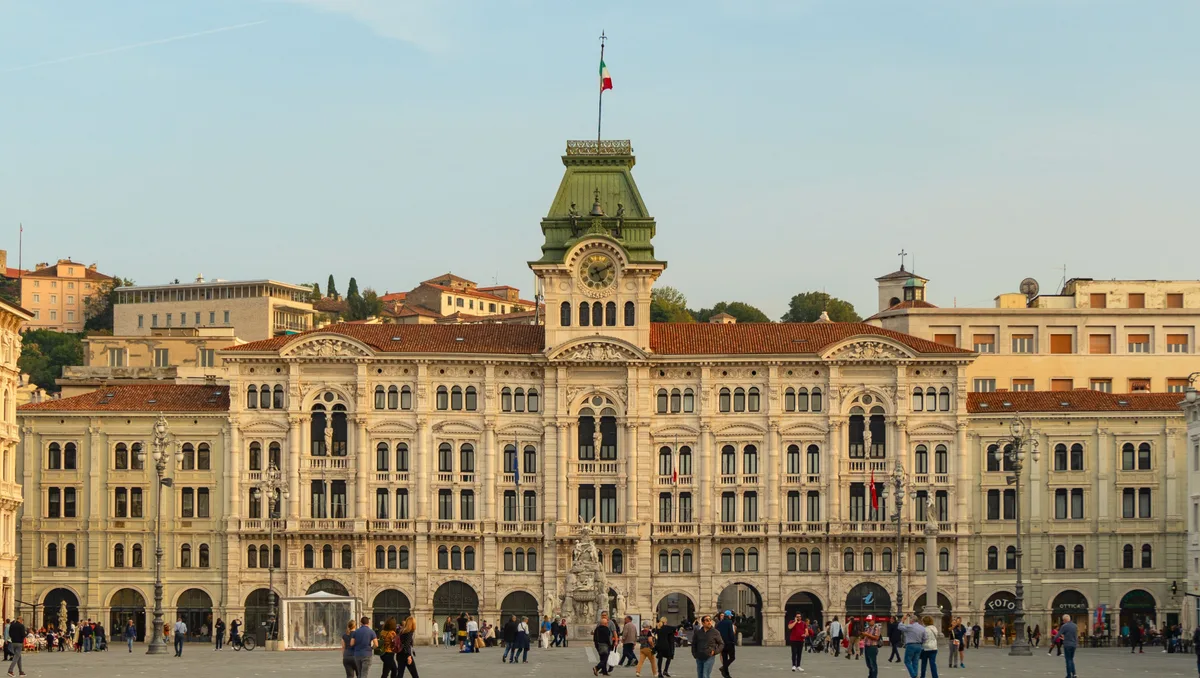
Search cars at Pula Airport
Search carsAre there border checks between Pula and Venice?
Both borders on the route are inside the Schengen area, and both have had checks. Slovenia ran temporary controls on its border with Croatia from 21 October 2023 and lifted them at midnight on 11 June 2026; its police now make random checks based on risk on the main transit routes. Italy has notified the EU of controls on its land border with Slovenia from 19 June to 18 December 2026.
Carry a passport or national identity card for everyone in the car. The EU’s Entry/Exit System registers travellers at the external Schengen border, and every crossing on this drive is an internal one. The Croatian crossing is Kaštel; the Slovenian side calls it Dragonja.
Do I need a Slovenian vignette to drive from Pula to Venice?
The coastal route is vignette-free for a car in 2026. Slovenia’s e-vignette covers its motorways and expressways, and from 1 January 2026 the coastal expressways from the Škofije border crossing to Koper and from Koper to Izola were reclassified as main roads, free for cars, while the road from Koper to Dragonja stays an ordinary road until its expressway is built. The measure is temporary, until that expressway opens.
Turning onto the A1 motorway at Srmin, towards Ljubljana, does need one. The e-vignette is tied to the number plate and checked by cameras, and the fine for driving a toll road unpaid is 300 EUR. For class 2A, which covers most cars, it cost 16.00 EUR a week, 32.00 EUR a month or 117.50 EUR a year in 2026. Buy it through DARS’s own site, evinjeta.dars.si, a DarsGo centre or an authorised seller.
How does the motorway toll work between Trieste and Venice?
The A4 from Trieste to Venice has been run by Autostrade Alto Adriatico since 1 July 2023, and it charges by distance: take a ticket on entry, and the exit booth multiplies the kilometres driven by a rate set for the vehicle’s class, rounded to 10 cents. Lose the ticket and the toll is calculated by law from the farthest entry station. The A57 round Mestre is shared between the same company and CAV.
On Autostrade Alto Adriatico’s lanes you can pay by Visa, Mastercard or American Express, by debit card on the FastPay, Maestro or VPay circuits with no PIN, or in cash, and staffed lanes take foreign currency and give change in euros. Signs mark the lanes reserved for electronic toll devices; keep to a lane that takes cards or cash. An unpaid toll can be settled at face value within 15 days; one billed to the rental company later is charged to the deposit on your hire car (clauses 12 and 17).
Where do I park at Venice?
The road ends at Piazzale Roma or at Tronchetto, the island beside it; from there you walk or take a water bus. At Piazzale Roma the city-controlled AVM runs the Autorimessa Comunale, with 1,906 parking places for cars up to 2.20 m high, open 24 hours a day every day and paid on site before you collect the car; 24-hour places can be reserved online until midnight on the day before. Garage San Marco, also at Piazzale Roma, is private, with 900 places for vehicles up to 2.10 m. Tronchetto Parking, run by Interparking, has about 4,000 covered places and is linked to Piazzale Roma by the People Mover.
Follow the signs for Piazzale Roma or Tronchetto over the Ponte della Libertà and keep out of central Mestre, whose limited traffic zone is enforced by number-plate cameras 24 hours a day. A fine from a camera reaches the renter through the rental company, like any other (clause 12).
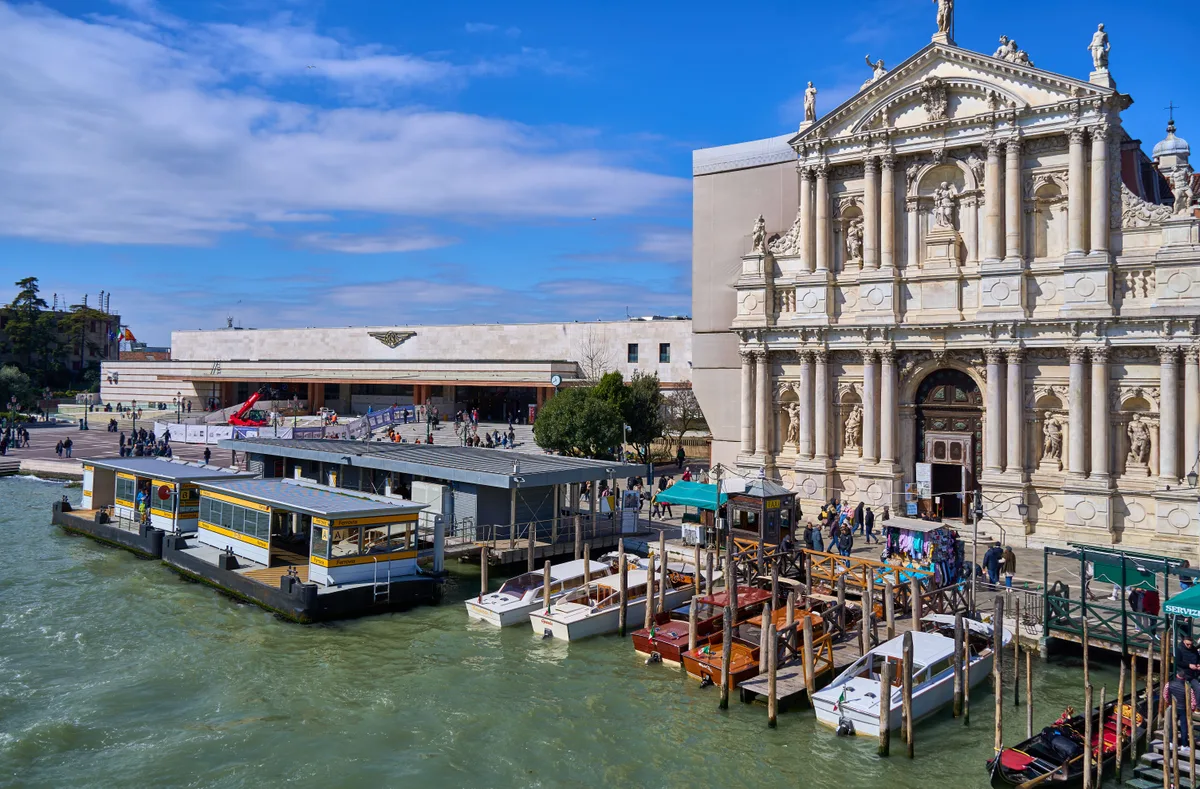
Do I pay the Venice access fee if I drive in?
The access fee is a charge on people rather than cars. In 2026 it applied to every person over 14 entering the historic city on 60 days between 3 April and 26 July, from 08:30 to 16:00, at 5 EUR if paid by the fourth day before and 10 EUR after that. Guests staying overnight in the municipality were exempt and registered on the city’s portal. Piazzale Roma, Tronchetto, the Ponte della Libertà and the whole mainland are outside the fee area, so parking there is free of it, while walking on into the old city on a fee day is charged. The calendar is set each year, so check the 2027 dates before you go.